Skip to content
SvorusSvorus
Svorus LabInternal R&D concept

SupportOps Agent: AI support workflow lab

SupportOps Agent is a Svorus Lab concept for AI-assisted support operations with ticket triage, retrieval, tool calls, human approval gates, and agent observability.

Client label

Svorus Lab

SupportOps Agent: AI support workflow lab

Challenge

Support teams want faster resolution without letting an AI system invent policies, act on accounts unsafely, or hide why a reply was drafted. The useful opportunity is not a generic chatbot; it is a controlled workflow agent that can retrieve policy, inspect account state, draft responses, and escalate sensitive work.
Approach

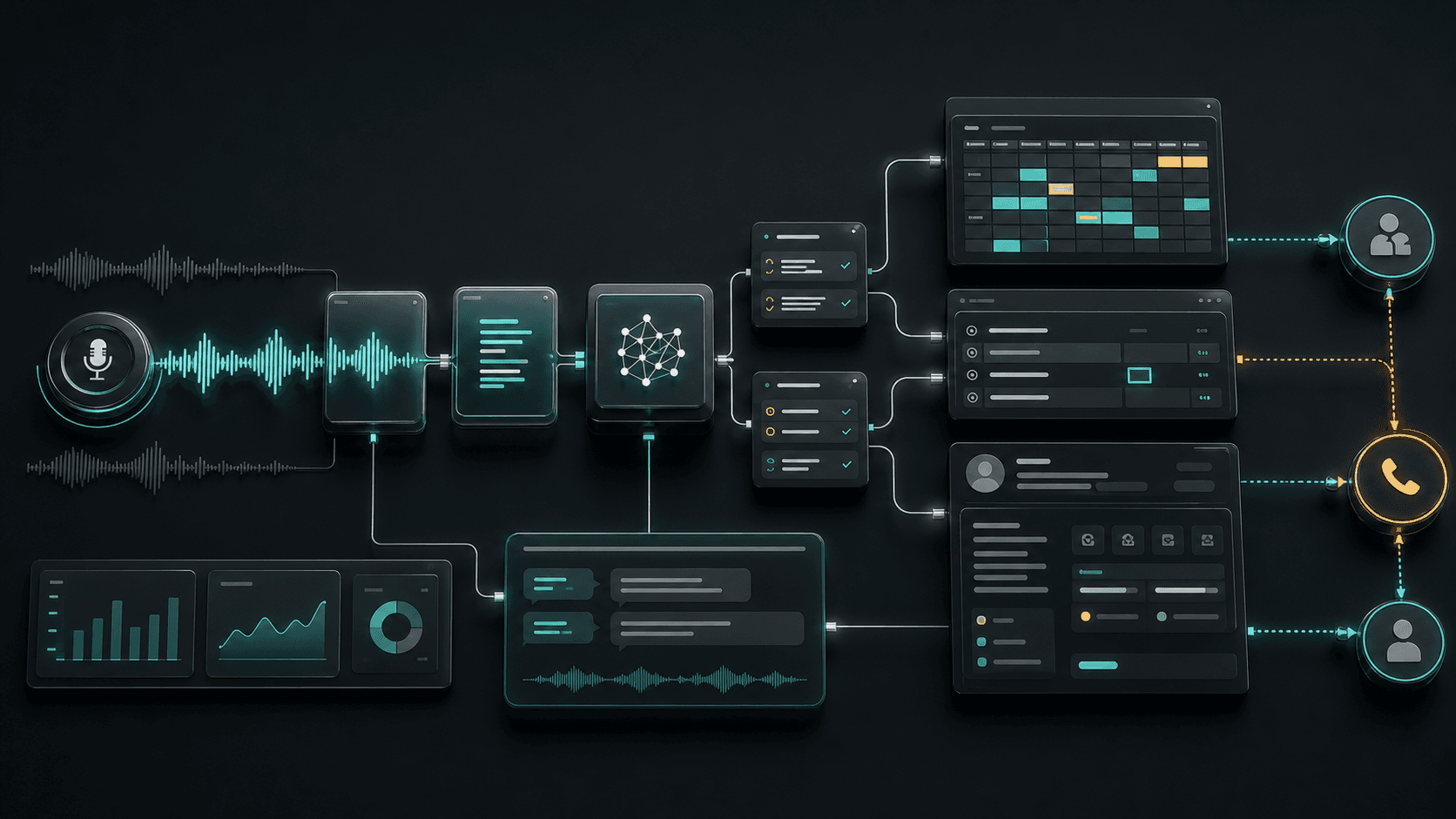
The lab concept proposes a scoped support agent architecture with retrieval, tool adapters, human approval gates, trace logging, evaluation datasets, and an operations console. It would start as a response-drafting and triage assistant before expanding into approved account actions.

Technical profile

Architecture, capabilities, and implementation surface

Platforms

  • Web operations console
  • Agent orchestration API
  • Knowledge retrieval layer
  • Human review queue

Technology

  • OpenAI Agents SDK
  • Next.js
  • FastAPI
  • PostgreSQL
  • pgvector
  • Redis
  • OpenTelemetry
  • Sentry
  • Stripe
  • Zendesk API

Key features

  • Ticket triage with priority, intent, account context, and escalation routing
  • Agent tool calls for CRM lookup, order status, subscription state, and knowledge retrieval
  • Human approval checkpoints for refunds, cancellations, account actions, and policy-sensitive replies
  • Source-linked response drafts with confidence, policy notes, and audit history
  • Feedback loop for prompt, retrieval, and workflow evaluation improvements

AI capabilities

  • Multi-step agent orchestration with bounded tool permissions
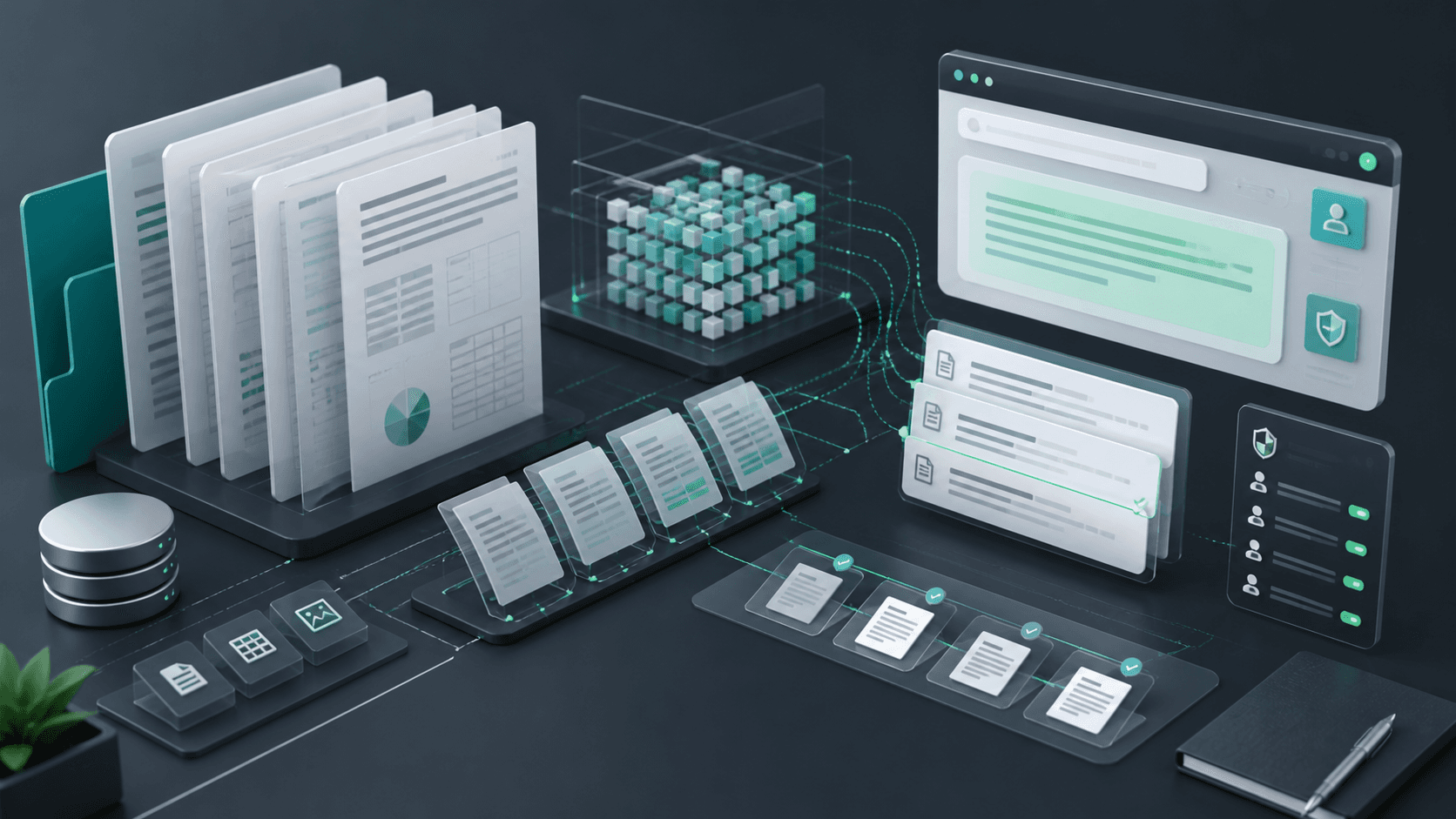
  • Retrieval-augmented response drafting from product docs and support policy
  • Intent classification, sentiment signal, and escalation recommendation
  • Evaluation datasets for unsafe actions, unsupported claims, and bad handoffs
  • Agent trace analysis for cost, latency, tool failures, and reviewer edits

Architecture highlights

  • Agent runner separates planning, retrieval, tool calls, approval gates, and final response drafting
  • Policy and knowledge indexes use source metadata, freshness checks, and permission-aware retrieval
  • Operations console stores review decisions, reviewer edits, trace IDs, cost, latency, and outcome labels
  • Webhook adapters isolate helpdesk, CRM, billing, and notification systems from the core agent loop
  • Observability events are designed around agent steps rather than only HTTP request logs

Engineering challenges

  • Preventing autonomous actions from bypassing approval requirements
  • Keeping support replies grounded in approved knowledge and current account state
  • Designing useful evals for tone, policy compliance, escalation, and tool-use failure
  • Explaining agent decisions to support managers without exposing unnecessary customer data

References

Research and project links

Results

What this entry is meant to prove

Lab concept

not represented as shipped client work

AgentOps

traces, approvals, evaluation, cost, latency, and tool-failure monitoring

Workflow-safe

human review for sensitive replies and customer account actions

Related work

Other portfolio entries with overlapping architecture or service patterns

Related entries are selected from shared service pillars, industries, portfolio category, and technology overlap. Sample placeholders are kept out of recommendations when stronger entries are available.

Need a product, agent, or platform with this level of engineering depth?

Bring the context, constraints, and desired outcome. We will help decide what should be validated and built first.